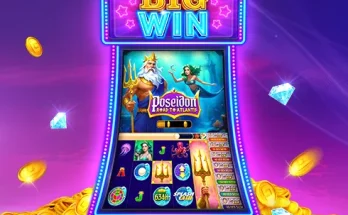
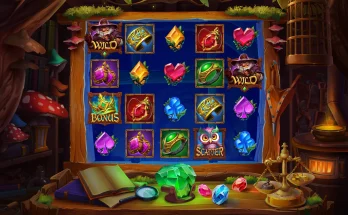
Let’s be real for a second—slot games aren’t just about spinning reels anymore. They’ve become something else entirely. A fusion of art, storytelling, and—honestly—a little bit of anthropology. Walk into any online casino lobby today, and you’ll see what I mean. You’ve got ancient gods rubbing shoulders with movie stars, and folklore creatures hanging out with rock bands. It’s a cultural melting pot, and it’s only getting deeper.
So, what’s driving this? Why are developers suddenly obsessed with cultural themes? Well, part of it is simple: players want to feel something. A connection. A story. And nothing hooks us faster than a familiar myth, a nostalgic memory, or a glimpse into a world we’ve only read about. Let’s unpack this, shall we?
The rise of mythology in slot design
Mythology is, without a doubt, the heavyweight champion of slot themes. Norse, Greek, Egyptian—you name it. Why? Because these stories are baked into our collective consciousness. We grew up with them. Thor’s hammer, Anubis weighing souls, Zeus hurling lightning… it’s all incredibly visual, dramatic, and ripe for gameplay.
Take Book of Dead, for instance. It’s not just a slot—it’s a cultural touchstone. It leans heavily on Egyptian mythology, but it’s the adventure that sells it. You’re not just spinning; you’re exploring a tomb. The symbols—Anubis, Horus, the scarab—aren’t random. They’re narrative anchors. And players love that.
But here’s the thing—developers aren’t just copying myths verbatim. They’re remixing them. Norse mythology in Vikings Go Berzerk gets a cartoonish, almost comedic twist. Greek gods in Age of the Gods feel like epic movie trailers. It’s not about accuracy; it’s about vibe. And that’s what keeps the reels spinning.
Why mythology works so well
- Instant recognition: Players don’t need a backstory—they already know the characters.
- Rich symbolism: Gods, monsters, and artifacts create natural bonus triggers.
- Emotional weight: Myths carry themes of fate, power, and redemption—perfect for high-stakes gameplay.
In fact, a 2023 industry report showed that mythology-themed slots account for nearly 30% of all new releases. That’s huge. And it’s not slowing down. Expect more obscure pantheons—like Aztec or Hindu mythology—to get their moment in the spotlight soon.
Pop culture and nostalgia: The new gold rush
Now, here’s where it gets really interesting. Pop culture slots have exploded. I’m talking about games based on movies, TV shows, music, even video games. Why? Because nostalgia is a powerful drug. And slot developers know it.
Think about it: when you see a slot featuring Jurassic Park or Game of Thrones, you’re not just gambling—you’re revisiting a memory. That T-Rex roar? It’s Pavlovian. Your brain lights up before the reels even stop. It’s clever, sure, but it’s also a little bit genius.
And it’s not just blockbusters. Music-themed slots are having a moment. Guns N’ Roses, Motörhead, even KISS—they all have their own slots. The soundtracks are authentic. The symbols are iconic. It’s like a concert in your browser, with a chance to win cash. That’s a hard combo to beat.
But there’s a catch
Licensing is expensive. And sometimes, the theme overshadows the gameplay. You’ve played those slots—the ones where the graphics are amazing, but the mechanics feel flat. That’s a real pain point for players. The best pop culture slots balance nostalgia with innovation. Dead or Alive 2 (a western theme, not strictly pop culture) nails this—it’s simple, but the tension is palpable.
Regional flavors: From Asia to the Americas
Here’s a little secret—slot themes aren’t one-size-fits-all. What works in Europe might flop in Asia. And developers are getting smarter about localization.
Take Asian markets. Games like 5 Dragons or 88 Fortunes are built around Chinese symbolism—dragons, koi fish, lucky numbers. The number 8, in particular, is everywhere. It’s not just decoration; it’s deeply cultural. For Chinese players, seeing 8 on a reel isn’t random—it’s an omen. That’s powerful.
Meanwhile, in Latin America, themes like Aztec or Mayan mythology resonate. There’s a pride in seeing ancestral stories represented. And in Africa? We’re seeing more slots inspired by wildlife and tribal art—like Safari Heat or Mega Moolah (which, let’s be honest, is a legend in its own right).
A quick comparison of regional themes
| Region | Common Themes | Example Slot |
|---|---|---|
| Europe | Norse/Greek myth, fantasy | Age of the Gods |
| Asia | Dragons, luck symbols, folklore | 88 Fortunes |
| Americas | Western, Aztec, pop culture | Dead or Alive 2 |
| Africa | Wildlife, tribal motifs | Mega Moolah |
This isn’t just about selling games—it’s about respect. When a developer gets the cultural details right, players notice. When they get it wrong? Well, let’s just say the backlash can be brutal. So there’s a real incentive to do the homework.
The dark side: Cultural appropriation vs. appreciation
Okay, let’s talk about the elephant in the room. Not every cultural slot is a hit. Some feel… off. Like they’re using sacred symbols as cheap decoration. I’ve seen slots where Hindu gods are treated like cartoon characters. Or where Native American headdresses are slapped on without any context. It’s cringey, honestly.
But the industry is learning. Slowly. Developers are starting to consult with cultural experts. They’re adding disclaimers or educational snippets. Rise of Olympus, for example, includes a brief lore blurb for each god. It’s not much, but it’s a step. The line between appreciation and appropriation is thin—but it matters.
Here’s a rule of thumb: if the theme feels like a costume, it’s probably appropriation. If it feels like a celebration, it’s appreciation. Players can tell the difference. And they vote with their wallets.
What’s next? The future of cultural themes
So, where are we headed? I see a few trends bubbling up.
- More indie developers — Smaller studios are taking risks on niche cultures (like Celtic or Slavic folklore). Bigger studios often play it safe.
- Interactive storytelling — Slots that let you choose your path, like a choose-your-own-adventure. Cultural themes will become more narrative-driven.
- AI-generated art — This could allow for hyper-specific cultural visuals, but it also raises ethical questions about authenticity.
- Cross-cultural mashups — Imagine a slot where Greek gods meet Japanese yokai. Sounds wild, but it’s already happening in some experimental games.
One thing’s for sure—the days of generic fruit machines are numbered. Players want depth. They want stories. They want to feel like they’re part of something bigger than just a spin.
Wrapping it up (without wrapping it too tight)
Cultural themes in modern slot games aren’t just a trend—they’re a reflection of how we see the world. They tap into our shared myths, our pop culture obsessions, and our regional pride. Sure, sometimes they stumble. But when they get it right? It’s magic. It’s like finding a familiar story in a foreign land.
Next time you spin, take a moment. Look at the symbols. Listen to the music. Ask yourself—what culture am I stepping into? The answer might surprise you. And honestly, that’s the whole point.