
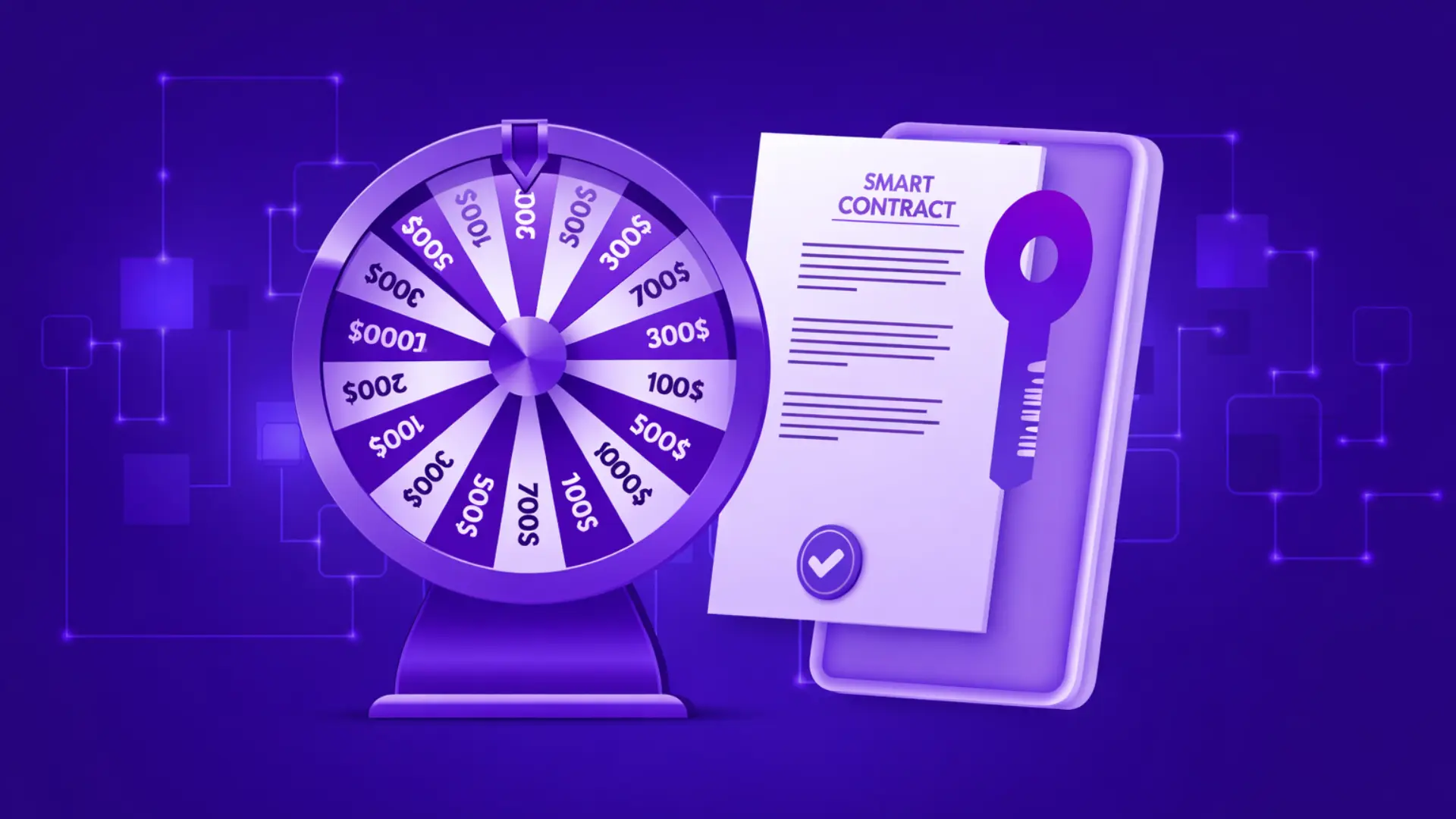
Let’s be honest. The word “lottery” probably conjures up a few specific images. Scratchers at the gas station. Long paper tickets with little numbers. That vague, nagging feeling about where the money actually goes. It’s a system built on tradition—and, let’s face it, a fair bit of opacity.
But what if we could rebuild that system from the ground up? What if the ticket wasn’t a piece of paper, but a unique digital asset you truly own? That’s the promise—no, the emerging reality—happening right now at the wild intersection of blockchain technology and NFTs. And it’s about to change the game for players and operators alike.
Breaking Down the Buzzwords: It’s Simpler Than You Think
Before we dive in, let’s clear the air. Jargon can be a barrier, so here’s the deal in plain English.
Blockchain: The Unchangeable Ledger
Think of a blockchain as a public, digital record book. Once something is written in it—a transaction, a ticket purchase—it can’t be erased or secretly altered. It’s verified by a network of computers, not a single company. This is the foundation for transparency and trust in a digital lottery system.
NFTs (Non-Fungible Tokens): Your Unique Digital Ticket
An NFT is basically a one-of-a-kind digital certificate of ownership. Unlike a dollar bill (which is “fungible” and interchangeable), each NFT is distinct. In our context, your lottery ticket becomes an NFT. It’s a collectible digital asset that lives in your digital wallet, proving you bought it and you own it. No lost paper, no disputes.
The Pain Points of Traditional Lotteries (And How Tech Solves Them)
So why fix what isn’t broken? Well, the current model has some… quirks. Blockchain and NFTs address them head-on.
| Traditional Lottery Pain Point | Blockchain/NFT Solution |
| Lack of Transparency: Can you really see how the draw works and where funds go? | Provably Fair Draws: The code for the random number generator is public and verifiable on-chain. Every transaction is visible. |
| Ticket Fraud & Loss: Forgery, stolen tickets, or just losing the darn thing. | Indisputable Ownership: Your NFT ticket is cryptographically secured to your wallet. It can’t be copied or claimed by someone else. |
| Geographic Restrictions: You often have to be physically present in a jurisdiction to play. | Global Access: With an internet connection and a crypto wallet, anyone, anywhere can participate. This opens up decentralized lottery platforms to a worldwide audience. |
| Delayed & Opaque Payouts: Claiming large prizes can be a bureaucratic maze. | Instant, Programmable Payouts: Smart contracts can automatically send winnings to the winning wallet address the moment the draw ends. No paperwork. |
The New Blueprint: How an NFT Lottery Actually Works
Alright, so what does this look like in practice? Imagine this flow:
- Minting Your Ticket: You visit a platform and use cryptocurrency to “mint” (i.e., create) an NFT lottery ticket. Each ticket has unique metadata and art, making it visually distinct.
- Holding in Your Wallet: That NFT ticket sits securely in your own digital wallet (like MetaMask). You control it. You could even, in theory, sell it to someone else on a secondary market before the draw if you wanted.
- The Provably Fair Draw: At the scheduled time, the draw occurs using a random number generator whose mechanism is published on the blockchain. Anyone can audit the process. It’s like watching the lottery balls bounce in a glass box, but digitally verified.
- Automatic Prize Distribution: A “smart contract”—a self-executing program on the blockchain—instantly identifies the winning NFT and transfers the prize pool to the owner’s wallet. It happens in minutes, maybe seconds.
Beyond the Jackpot: The Ripple Effects
This isn’t just about speed and transparency, though. That’s the baseline. The real magic is in the secondary possibilities, the kind that make you go, “Huh, I hadn’t thought of that.”
For instance, because your ticket is an NFT, it can be programmed with extra utility. Maybe holders get entered into smaller, surprise draws. Or perhaps the NFT artwork itself evolves or unlocks perks if it wins. It transforms a disposable ticket into a potential digital collectible with lasting value.
And then there’s the community aspect. Decentralized Autonomous Organizations (DAOs) could form around these lotteries, where token holders vote on things like which charities get a portion of the proceeds. The whole model shifts from a one-way transaction to a participatory ecosystem.
Not All Sunshine and Rainbows: The Hurdles Ahead
Look, I’d be doing you a disservice if I didn’t mention the bumps in the road. The path to the future of online lottery games is still being paved.
- Regulation & Compliance: This is the big one. Gambling laws are a complex patchwork globally. Blockchain’s borderless nature clashes with region-specific rules. Navigating this will be key for mainstream adoption.
- User Experience: For the average person, setting up a crypto wallet and buying digital currency is still a hurdle. The tech needs to become as easy as tapping a credit card.
- Perception: NFTs and crypto have had their share of negative press (scams, volatility). Rebuilding trust within a skeptical public is crucial.
A Glimpse at the Horizon
So, where does this all lead? We’re moving from a model of blind faith to one of verified participation. The digital lottery ticket of the future might not just be a stake in a jackpot, but a key to an experience, a piece of digital history, or a voice in a community.
It redefines the relationship between the player and the game. You’re not just buying a chance; you’re acquiring a transparent, tradable, and programmable asset. The thrill of the draw remains, but it’s now wrapped in a layer of ownership and clarity that was simply impossible before.
The intersection of blockchain, NFTs, and lotteries isn’t just a tech upgrade. It’s a quiet revolution in how we think about chance, value, and trust in a digital world. And honestly, the draw has already begun.


