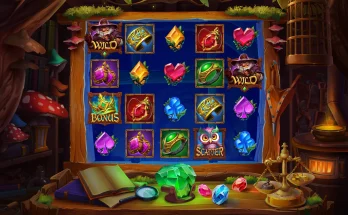
You know the feeling. The hypnotic spin of the reels, the cascade of bright symbols, that heart-thumping moment just before the outcome settles. Slot games are a powerhouse of entertainment, but honestly, their pull goes far deeper than flashing lights. It’s a meticulously crafted experience, built on decades of psychological research.
Let’s dive in. The core of a slot machine’s appeal isn’t luck—it’s a clever dance with the human mind. Game designers aren’t just coders; they’re behavioral architects. They understand our cravings, our biases, and our brain chemistry. And they use that knowledge to create an experience that feels thrilling, rewarding, and, well, hard to step away from.
The Engine of Maybe: Intermittent Reinforcement
This is the big one. The most powerful psychological principle at play in slot mechanics is intermittent reinforcement. In simple terms, it’s rewards delivered at unpredictable intervals.
Think of it like this. If your dog gets a treat every single time it sits, it learns quickly but also gets bored. But if the treats come randomly—sometimes on the first sit, sometimes on the fifth—the dog becomes obsessed. It’ll keep sitting, over and over, anticipating that next unpredictable reward.
Slot machines are the masters of this. You don’t win every spin. But you win often enough, in small amounts, to keep that anticipation alive. The “near-miss”—where the symbols almost line up—is particularly devilish. Your brain processes it almost like a win, releasing a dose of dopamine and urging you to try “just one more spin” to secure the real victory.
Sensory Seduction: Lights, Sounds, and Illusion
Here’s the deal: every beep, flash, and animation is a calculated part of the slot game psychology. The sensory feedback is designed to make you feel like you’re in the action, even when you’re losing.
Audio cues are huge. That celebratory jingle on a win? It’s a direct dopamine trigger. But notice, even losses are often accompanied by exciting, upbeat sounds or short musical riffs. This neutralizes the negative feeling. You’re not hearing a sad trombone; you’re hearing a call to action.
Visually, the chaos is carefully orchestrated. Cascading reels, expanding wilds, and bonus round animations create a sense of eventfulness. They make the game feel skill-based, like your interaction matters, when the outcome was determined the millisecond you hit ‘spin’. It’s an illusion of control, and it’s incredibly persuasive.
The Cost of Play: How Mechanics Minimize Pain
Losses Disguised as Wins (LDWs)
This is a sneaky one. A “Loss Disguised as Win” happens when you win back less than your original bet, but the machine still celebrates with lights and sounds. Say you bet $1 and win 20 cents. The reels spin, music plays, your credit counter goes up—but you’re actually 80 cents down. Your brain registers the sensory reward, not the financial loss. It feels like progress, not a setback.
The Sunk Cost Fallacy in Motion
We hate feeling like we’ve wasted something—time, money, effort. This is the sunk cost fallacy. Slot mechanics tap into this by featuring progress bars in bonus rounds, or showing “collectible” symbols across multiple spins. You feel invested in the journey. Quitting now would mean wasting all that “progress,” so you continue playing to reach the perceived conclusion.
Building a World: Theming and Identity
Modern slots aren’t just fruits and sevens. They’re epic adventures, rock concerts, or journeys into beloved movies. This theming does heavy psychological lifting. It creates emotional connection. A fan of a certain band or film series brings their existing passion into the game. The gameplay becomes a form of participation in that world.
This also leverages what’s called identity reinforcement. When the game reflects your interests, it feels personal. It’s not just a gamble; it’s an expression of who you are. That’s a much stronger hook than a generic machine could ever be.
Key Psychological Triggers in Modern Slots
| Psychological Concept | How It’s Used in Slot Mechanics | The Player’s Feeling |
| Intermittent Reinforcement | Unpredictable small wins, near-misses. | “I’m due for a win,” “Just one more spin.” |
| Illusion of Control | “Stop” buttons, bonus round choices, holding reels. | “My skill influenced the outcome.” |
| Sensory Overload | Custom soundtracks, animated sequences, haptic feedback. | Immersion, excitement, reduced awareness of time/money. |
| Endowed Progress | Bonus wheels already segmented, progress bars pre-filled. | “I’m already halfway there, I can’t stop now.” |
| Anchoring | Displaying huge “Max Win” jackpot amounts. | Smaller wins feel less significant, pushing for the anchor. |
Awareness is the First Step
So, what does all this mean? Understanding the psychology behind slot game mechanics isn’t about taking the fun out of it. It’s about pulling back the curtain. It’s recognizing that the magnetic pull you feel isn’t a character flaw—it’s a testament to sophisticated design working exactly as intended.
These games are engineered to be engaging. Full stop. Knowing that allows you to engage with them on your own terms. You can appreciate the artistry—the symphony of psychology and technology—while consciously setting your limits. You can notice the near-miss for what it is: a random outcome, not a promise. You can hear the celebratory sounds and recognize them as design elements, not personal validation.
The next time you see the reels spin, you’ll see more than just symbols. You’ll see a conversation between human psychology and digital design. And the most important part of that conversation is the one you have with yourself about when to step away.