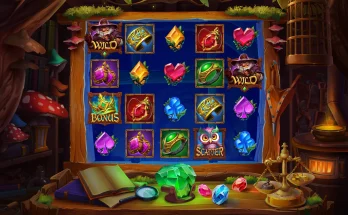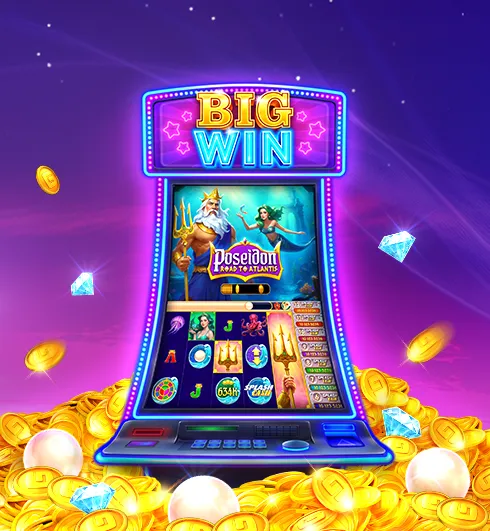
Let’s be honest: slot machines are everywhere. From the neon-lit floors of Las Vegas to the app on your phone, they’ve become a staple of modern gambling. But what makes them so addictive? It’s not just luck — it’s psychology. The design of a slot machine is a masterclass in human behavior, carefully crafted to keep you spinning. And honestly, it’s fascinating… and a little unsettling.
The Near-Miss Effect: So Close, Yet So Far
You know that feeling when you’re one symbol away from a jackpot? Your heart races. You think, “Next time, for sure.” That’s the near-miss effect in action. It’s not a win — it’s a loss disguised as a win. But your brain doesn’t see it that way.
Research shows that near-misses activate the same dopamine pathways as actual wins. In fact, a study from Cambridge University found that near-misses increase the urge to play more than losses do. The machine tricks your brain into thinking you’re learning, getting closer. But you’re not. It’s a illusion — a carefully engineered one.
Slot designers use this like a pro. They place winning symbols just off the payline, or stop the reels a fraction of a second early. It’s subtle. It’s manipulative. And it works.
Variable Rewards: The Dopamine Slot Machine
Here’s the deal: slot machines operate on a variable ratio schedule of reinforcement. That’s a fancy term for “random rewards.” And humans? We’re wired to love randomness. Think about it — why do we check our phones constantly? Because we might get a notification. Same principle.
When you pull the lever (or press the button), you never know if you’ll win big, win small, or lose. That uncertainty keeps your brain guessing. Dopamine — the “feel-good” chemical — spikes during the anticipation, not just after the win. So even when you lose, the hope of winning keeps you hooked.
This is why slot machines are more addictive than, say, a fixed-odds game. The unpredictability is intoxicating. It’s like a slot machine for your brain’s reward system — literally.
The Role of Sound and Light
But it’s not just about the math. The sensory experience matters. Ever notice how a slot machine celebrates a small win with flashing lights and a triumphant jingle? That’s intentional. Designers use audio-visual feedback to amplify the feeling of winning — even when you’ve only won back a fraction of your bet.
In fact, many machines now play celebratory sounds for losses disguised as wins (like when you bet $1 and win $0.50). Your brain hears the music and thinks, “I’m winning!” But you’re not. You’re losing. It’s a cognitive dissonance that keeps you spinning.
The Illusion of Control
Here’s a weird quirk: people feel more in control when they can press a button or choose a bet size. Slot machines exploit this. You can stop the reels, choose your paylines, or pick a “lucky” number. But none of it affects the outcome. The RNG (random number generator) decides everything.
Still, that illusion of control is powerful. It makes you feel like you’re playing a skill game, not a pure chance game. And when you win, you think it’s because of your choices. When you lose, you blame bad luck. This bias — called the illusion of control — is a cornerstone of slot design.
Some machines even let you “nudge” the reels or hold symbols. It’s a trick. The outcome is predetermined, but the interaction feels meaningful. You’re not a passive observer — you’re a participant. And that participation makes you more invested.
Losses Disguised as Wins (LDWs)
We touched on this earlier, but it deserves its own section. Losses disguised as wins are when you get a payout that’s less than your bet. For example, you bet $2, and the machine pays $1.50. You lost $0.50, but the machine treats it like a win — lights, sounds, the works.
Why does this matter? Because your brain registers the sensory feedback as a win, not a loss. You feel good, even though you’re down. Over time, this can mask how much you’re actually losing. A 2014 study found that LDWs make players play longer and bet more. It’s a subtle form of deception, but it’s incredibly effective.
The “Sunk Cost” Trap
You’ve probably heard of the sunk cost fallacy. It’s the idea that you keep investing in something because you’ve already invested so much. Slot machines exploit this too. After a long losing streak, you think, “I’ve already lost $50. I can’t leave now — I need to win it back.”
Designers know this. They make it easy to keep playing — no need to cash out, just press a button. And the longer you play, the harder it is to walk away. It’s a trap, but it feels logical in the moment.
Flow State and Time Distortion
Ever sit down at a slot machine and look up to find two hours have passed? That’s flow state. Slot machines are designed to induce a trance-like focus. The repetitive spinning, the rhythmic sounds, the lack of interruptions — it all pulls you in.
In flow, you lose track of time. You also lose track of money. The machine’s interface is often cluttered with animations and distractions, making it hard to calculate your losses. Some machines even hide the total bet amount or use confusing denominations. It’s not an accident.
This time distortion is a key part of the psychology. The longer you stay, the more you play. And the more you play, the more the house edge works in the casino’s favor.
Social Proof and Community Design
Modern slot machines are increasingly social. You’ll see leaderboards, shared jackpots, and even “community bonuses” where multiple players contribute to a pot. This taps into social proof — the idea that if others are playing, it must be worthwhile.
Some machines show you how many spins others have made, or how close they are to a bonus. It creates a sense of competition and camaraderie. You’re not just playing against the machine — you’re part of a group. And that group pressure can make you play longer.
The “Slippery Slope” of Bonus Features
Bonus rounds are a big deal. They break the monotony and offer the chance for big wins. But they’re also designed to keep you engaged. Free spins, pick-a-prize games, and multipliers all create excitement. And they often require you to play through your winnings before you can cash out.
It’s a slippery slope. You win a bonus, feel great, and then play it back — often losing more than you gained. The cycle repeats. And the machine is always there, waiting.
Why Understanding This Matters
Look, I’m not here to demonize slot machines. They’re a form of entertainment for many people. But understanding the psychology behind them is empowering. It helps you recognize when you’re being manipulated. It gives you a chance to step back and ask: “Am I playing, or am I being played?”
The next time you see a slot machine, notice the lights. Listen to the sounds. Pay attention to how you feel. That rush of excitement? It’s not magic — it’s design. And once you see it, you can’t unsee it.
In the end, the psychology of slot machine game design is a mirror. It reflects our deepest desires — for control, for reward, for connection. And it uses those desires against us. But knowledge is the first step to freedom. So next time you spin, spin with your eyes open.